Experience
Aerodyne - NASA's Artemis Program
Software Engineer — 2026–Present
Lead remote software developer for the Thermal Control System supporting NASA’s Artemis III and subsequent missions, leading design and integration efforts to deliver reliable, safety-critical capabilities for launch operations and human-rated spaceflight systems.
Astrion - NASA's Artemis Program
Software Engineer — 2020–2026
Software Engineer supporting NASA’s Artemis Program at Kennedy Space Center, contributing to the development of safety-critical software and launch control displays for the Thermal and Environmental Control Systems on Artemis I and II missions. Designed real-time telemetry visualization tools, developed simulation and automation software in C++, Python, and Qt, and helped ensure compliance with NASA Class A human-rated standards to support future crewed lunar missions.
Artemis I - November 2022
The Artemis I mission, launched in November 2022, was NASA’s first integrated test of the Space Launch System (SLS) rocket and Orion spacecraft, marking a major milestone in the agency’s return to lunar exploration. It was also NASA’s first rocket launch since the Space Shuttle program’s retirement in 2011, symbolizing the beginning of a new era in human spaceflight.
This uncrewed mission successfully traveled around the Moon and back to Earth, demonstrating end-to-end performance from launch to splashdown while validating critical systems such as propulsion, guidance, thermal control, and communication. Data from Artemis I proved the readiness of NASA’s deep-space infrastructure and provided the foundation for upcoming crewed missions under the Artemis program, which aims to land astronauts on the Moon and eventually enable human exploration of Mars.
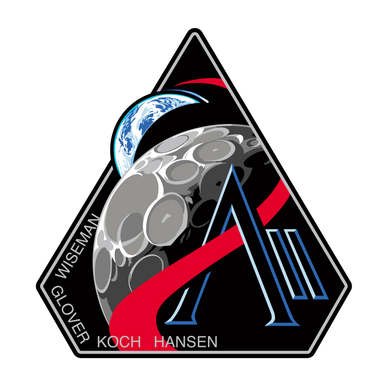
Artemis II - April 2026
This crewed mission successfully demonstrated NASA’s deep-space exploration capabilities by sending astronauts around the Moon and safely returning them to Earth, validating critical systems such as life support, propulsion, guidance, thermal control, and communication under human-rated conditions. Artemis II proved the performance and safety of the Orion spacecraft and Space Launch System (SLS) in deep space operations. Data and operational experience from this mission directly support upcoming lunar landing missions under Artemis III and beyond, advancing NASA’s goal of sustained human exploration of the Moon and future crewed missions to Mars.
United Launch Alliance
Software Engineer Student Intern — 2019–2020
Gathered requirements, planned, designed, developed, tested, and deployed a software system to demonstrate the capabilities of augmented reality using Unity and C#.
Projects
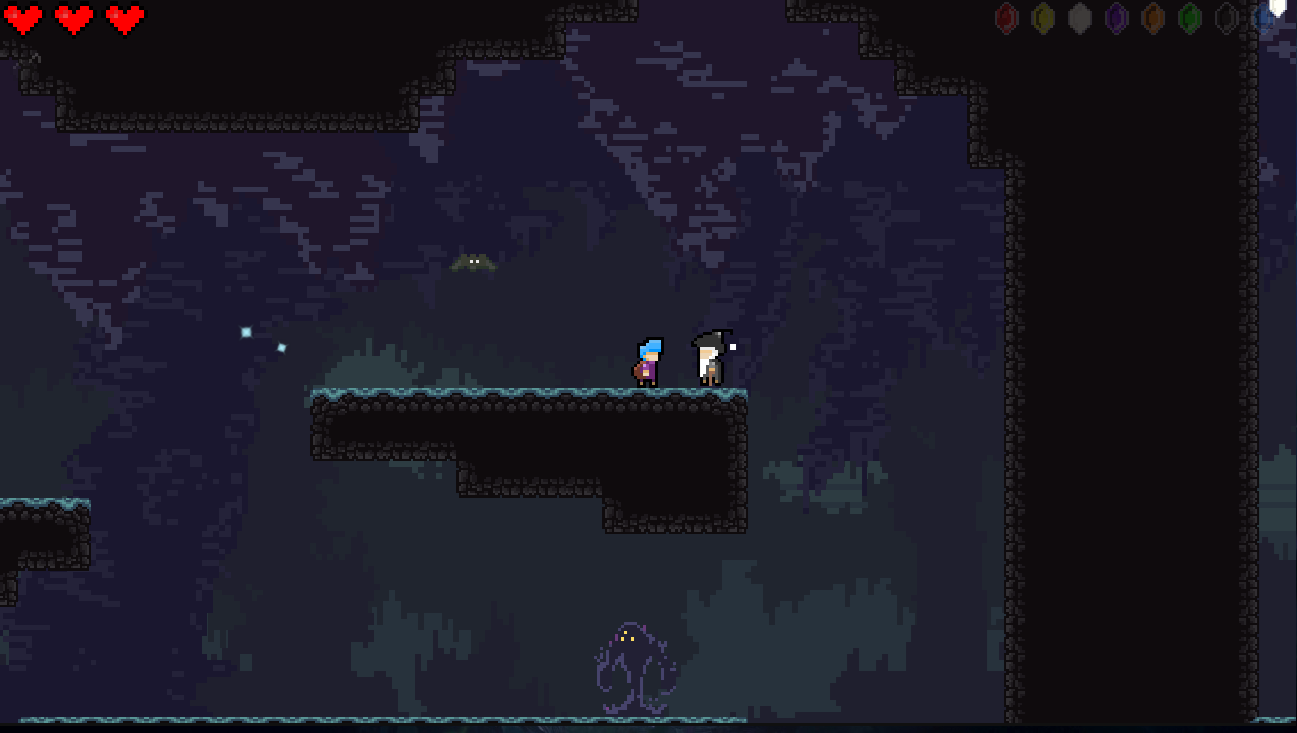
The Light Within: Created a 2D pixel platformer featuring three unique levels—Forest, Cave, and Descent—where players can jump, dash, and climb to navigate challenges. Designed three dynamic boss fights to test player skill and strategy. Implemented a procedurally generated parallax background system, creating layered scenery that enhances visual depth and overall gameplay immersion.
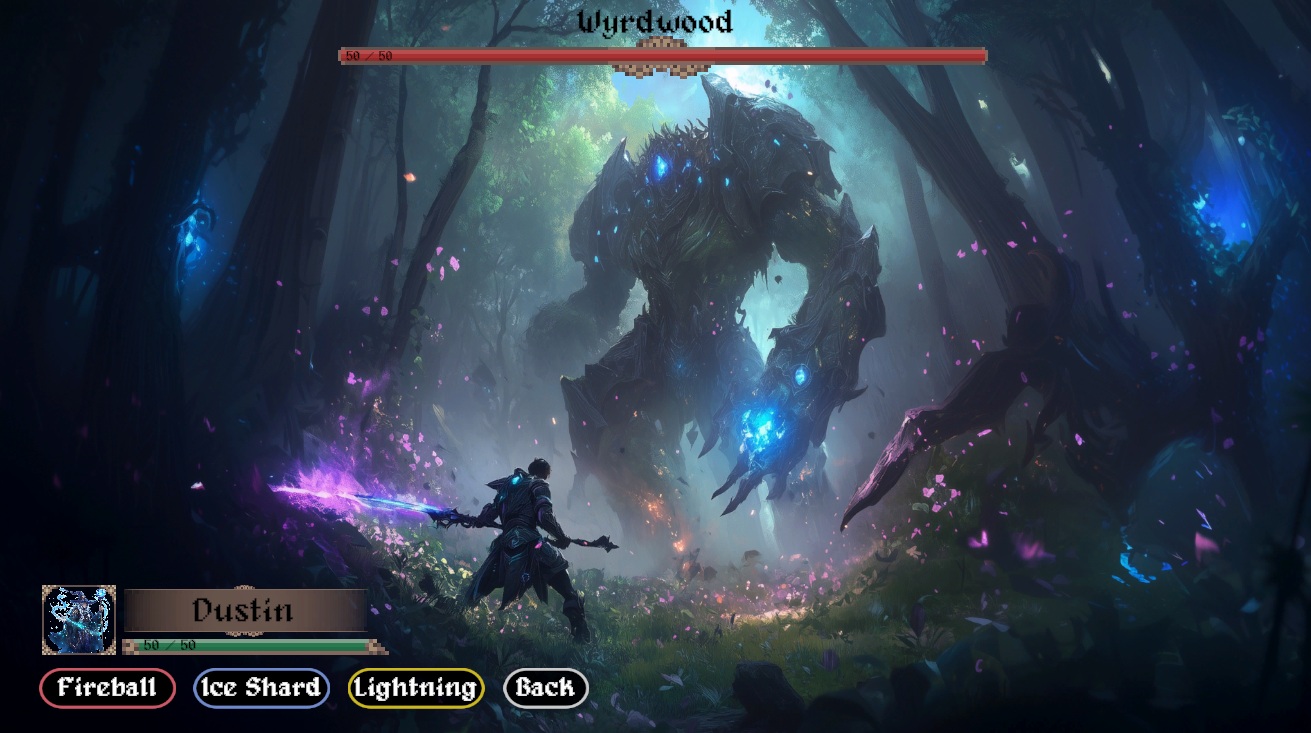
Titan Quest: Developed a text-based adventure game with a graphical interface, allowing players to explore 11 distinct areas and face 11 unique boss battles. Players can choose from three classes—Archer, Wizard, or Warrior—each with class-specific drop tables for weapons and loot. Implemented experience points and leveling systems, enabling character progression and strategic customization of equipment to enhance gameplay.
Skills
Education

University of Central Florida
B.S. in Computer Science — 2020
Awards